Sound Like Your Situation?
If any of these hit close to home, relief is closer than you think. Removal is often the most direct path back to comfort.
The Longer You Wait, the Harder It Gets
Infection Can Spread
A compromised tooth can affect surrounding teeth, gum tissue, and bone.
Neighboring Teeth Shift
Adjacent teeth begin drifting into the open space, changing your bite over time.
Treatment Gets More Involved
What starts as a simple extraction can become a more complex case with delay.
Costs Go Up
The more deterioration progresses, the more extensive the treatment required.
Bone Loss Begins
Once a tooth is gone or failing, the surrounding bone begins to break down without stimulation.
Fewer Replacement Options Later
Bone loss narrows what restorative options remain available to you.
Addressing the problem now keeps your path forward simpler and your options open.
What Does a Tooth Extraction Actually Involve?
A tooth extraction is the removal of a tooth from its socket in the jawbone. Extractions fall into two categories: simple extractions, performed on teeth that are visible and accessible, and surgical extractions, which involve teeth that are impacted, broken at the gumline, or otherwise difficult to access. Surgical extractions require a small incision in the gum tissue to reach the tooth, and in some cases, the tooth is carefully divided to allow for easier, less disruptive removal.
At Icon Dental Implant Center, surgical extractions are planned with precision using our Kavo CBCT 3D imaging system, which gives us a complete view of the tooth’s position, root structure, and surrounding anatomy before we begin. For patients in Southfield, MI who need a surgical extraction, this level of planning means fewer surprises, a smoother procedure, and a faster path to healing.
Common Struggles We Hear From Patients
Be our Next Success Story!
Request an appointment with one of our doctors and start your smile journey today.
Benefits of Tooth Extraction
See What's Possible for Your Smile
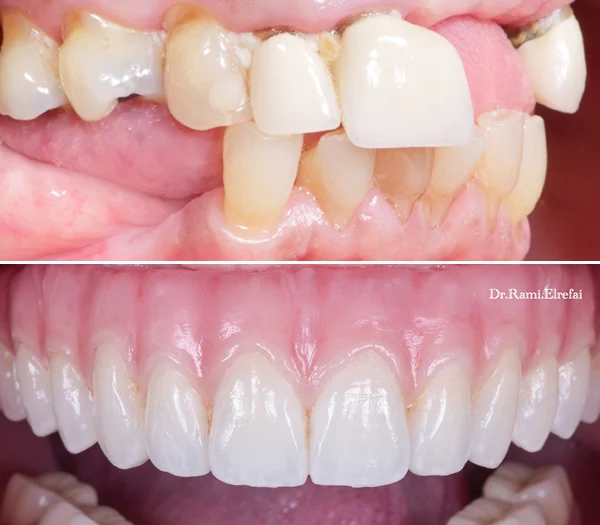
These aren’t just teeth; they’re life-changing transformations that restore confidence and comfort. Each before-and-after photo represents a patient who trusted us with their smile journey.
Be our Next Success Story!
Request an appointment with one of our doctors and start your smile journey today.
Is a Tooth Extraction the Right Move for You?
Not Sure If Extraction Is Your Only Option?
What to Expect During Your Tooth Extraction
Consultation and Imaging
You'll start with a full assessment, including our Kavo CBCT 3D imaging, which gives us a precise look at the tooth, its roots, and the surrounding structures. This step shapes the entire plan and ensures there are no surprises on the day of your procedure.
Preparing for Removal
On the day of your extraction, the area is thoroughly numbed so you feel comfortable throughout. If you've chosen sedation, that's administered here as well. We take time to make sure you're fully settled before we begin, and we'll check in with you along the way.
The Extraction
For surgical extractions, a small incision is made in the gum tissue to access the tooth. In many cases, the tooth is carefully sectioned to allow for a gentler, more controlled removal. Most patients feel pressure during this stage, not pain. The process moves efficiently, and our team keeps the environment calm throughout.
Closing and Recovery Setup
Once the tooth is out, the site is cleaned and, when appropriate, closed with sutures. We'll review your aftercare instructions before you leave and make sure you know exactly what to expect in the days ahead. If replacement options are part of your plan, we'll begin that conversation here.
Ready to Get Out of Pain for Good?
What Recovery Looks Like After a Surgical Extraction
First 24-48 Hours
Some swelling and mild discomfort are normal in the first two days and are your body's natural response to healing. Keeping your head elevated, applying ice as directed, and sticking to soft foods will help significantly. Most patients find over-the-counter or prescribed medication manages any discomfort well during this window.
First 1-2 Weeks
Swelling will begin to decrease and the extraction site will start to close. You'll gradually return to normal eating as comfort allows. It's important to keep the area clean and avoid anything that could disrupt the healing tissue. Most patients return to their regular routine within a few days.
Long-Term Healing
The socket continues to fill in over the following weeks and months as bone and tissue remodel. If a tooth replacement is part of your plan, this healing period is also when next steps, such as dental implants (permanent tooth replacements), can be discussed and scheduled.
Have Questions About Recovery? We're here to help.
Flexible Payment Plans for Your Smile
NO Credit Score Impact Until Plan Selected.
Don't Wait to Smile. Check out Our Payment Options.
Tooth Extraction FAQs
Will I feel anything during the extraction?
How do I know if my tooth actually needs to come out?
How long does the procedure take?
What should I eat after an extraction?
Is a surgical extraction different from a regular extraction?
What happens to the space left behind?
Can I drive myself home afterward?
How soon can I return to work?
What are the risks if I don't get the extraction done?
Will I need a tooth replacement after the extraction?
Still Have Questions?​