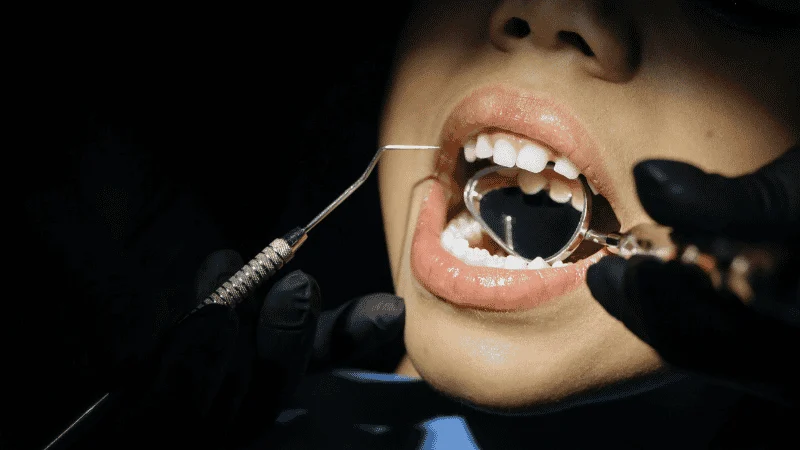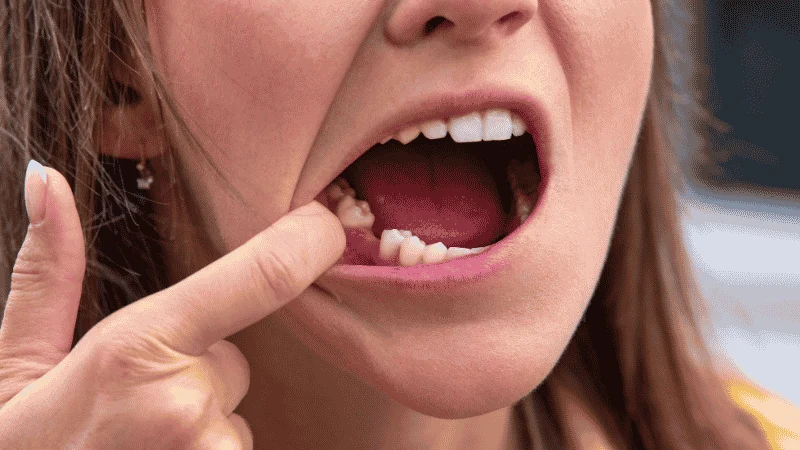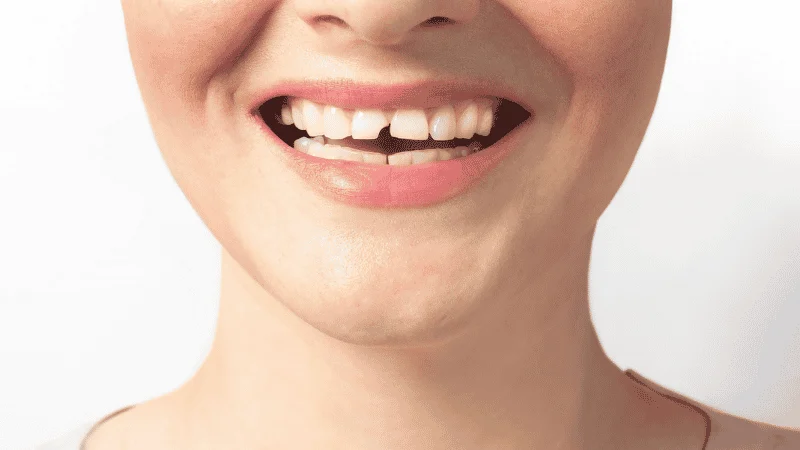
A broken tooth can stop you in your tracks. Pain, swelling, or a deep crack into the root can make simple tasks like eating or talking hard.
When damage reaches below the gumline or infection spreads, saving the tooth may no longer be possible.
If your broken tooth cannot be repaired with a filling, crown, or root canal, extraction followed by a dental implant may be the best way to protect your oral health and restore function.
Removing the tooth can stop infection and prevent further bone loss. An implant can replace the missing root and support a natural-looking crown that helps you chew and speak with comfort.
You deserve clear answers about your options. Understanding when a tooth is beyond repair and how modern dental care can rebuild your smile helps you move forward with confidence.
Key Takeaways
- Some broken teeth cannot be saved and may require removal to protect your oral health.
- Dental implants can replace an extracted tooth and restore normal function.
- Early evaluation helps you choose the best treatment and avoid further damage.
Understanding When a Broken Tooth Cannot Be Saved
You may hope your dentist can fix a broken tooth with a crown or filling. In some cases, though, damage runs too deep, and saving the tooth would not protect your health.
Signs a Tooth Is Beyond Repair
You often notice clear warning signs when a tooth moves into the beyond repair stage.
Common signs include:
- Severe tooth pain that does not go away
- Swelling in your gums or face
- A visible crack that reaches below the gum line
- A loose tooth caused by bone loss
A vertical root fracture is one of the most serious problems. This crack runs down the root and cannot heal. Bacteria enter through the split and cause infection.
Large cavities and extensive decay also matter. If tooth decay destroys most of the structure, there may not be enough healthy tooth left to hold a crown.
A deep tooth abscess near the root tip can also signal that saving the tooth will not work long term.
Common Causes of Severe Tooth Damage
Severe damage usually builds over time, but it can also happen suddenly.
Major causes include:
- Extensive decay that spreads under old fillings
- Untreated large cavities that reach the pulp
- Trauma from sports or accidents
- Advanced gum disease
- Failed dental restorations
When you ignore tooth decay, bacteria move deeper into the tooth. Over time, the inner pulp becomes infected. If treatment is delayed, the infection can spread into the surrounding bone.
Advanced periodontal disease weakens the support around your tooth. As gum disease progresses, you lose jawbone density. Even if the top of the tooth looks fine, severe bone loss can make it unstable.
Repeated procedures, like multiple crowns or root canals, can also weaken the structure. At some point, the remaining tooth cannot handle normal chewing forces.
Risks of Keeping Untreatable Teeth
Keeping a tooth beyond repair can harm more than just that one area.
An untreated tooth abscess can spread infection into nearby bone and soft tissue. In serious cases, swelling can affect your jaw or face.
Chronic infection also speeds up bone loss. As jawbone density drops, future implant placement may become more complex. You may need bone grafting before replacing the tooth.
Pain is another issue. Severe tooth pain can disrupt sleep, eating, and focus at work. A damaged tooth can also crack further, which increases the risk of sudden breakage.
Removing a non-restorable tooth often protects your surrounding teeth and helps preserve your long-term oral health.
Schedule your dental implant consultation in Southfield, MI after a broken or damaged tooth
Dental Treatment Options Before Extraction
Dentists try to preserve natural teeth whenever possible. Several treatments can repair damage, stop infection, and restore strength so you can keep your tooth.

When Can a Broken Tooth Be Saved?
You can often save a broken tooth if the root stays healthy and enough structure remains above the gum line. Small cracks, chips, and moderate decay usually respond well to basic dental care.
Your dentist checks the pulp, which holds the nerve and blood supply. If the pulp is not infected, you may avoid extraction. Quick treatment matters because delay can lead to infection that makes saving the tooth harder.
You also need healthy gums and strong bone support. Good oral hygiene helps prevent further breakdown and improves the success of restorative work.
Fillings, Crowns, and Dental Bonding
Fillings repair small to medium areas of decay. Your dentist removes the damaged part and fills the space with a strong material. This restores shape and stops bacteria from spreading.
Dental bonding works well for minor chips and cracks. The dentist applies a tooth-colored resin, shapes it, and hardens it with a special light.
Bonding improves appearance and adds support, but it may not last as long as crowns for large breaks.
Crowns cover the entire visible part of your tooth. A dental crown protects weak structure and restores chewing strength. If a large portion has broken but the root remains solid, a crown can help you avoid extraction.
Root Canal Therapy and Veneers
If damage reaches the pulp, you may need root canal therapy. During this procedure, your dentist removes infected tissue, cleans the canal, and seals it. In many cases, you will also need a crown to protect the treated tooth.
Root canal therapy can relieve pain and preserve natural teeth that might otherwise require removal. However, if the tooth breaks off at the gum line or has severe structural loss, saving it becomes less likely.
Some cases may lead to extraction and replacement.
Veneers are thin shells placed on the front of your teeth. They improve appearance when cracks or chips affect mostly the enamel.
Veneers do not fix deep fractures, but they can restore function and appearance when damage is limited to the outer layer.
Contact our Southfield, MI team to discuss extraction and implant options for a tooth beyond repair
Tooth Extraction: Procedures and Recovery
When a broken tooth is beyond repair, removal can stop pain and infection. Knowing how the procedure works and how to heal well helps you protect your long‑term oral health.
Simple vs. Surgical Extraction
Dentists use two main types of tooth extraction: simple extraction and surgical extraction.
A simple extraction works best when the tooth sits above the gumline and stays intact. Your dentist numbs the area, gently loosens the tooth, and removes it from the socket.
You may feel pressure, but you should not feel sharp pain. This approach often works for visible teeth that have severe decay but remain stable enough to grasp.
A surgical extraction becomes necessary when a tooth beyond repair breaks at the gumline or below it. Your dentist may need to make a small cut in the gum or remove bone around the tooth.
This method is common with a badly broken tooth or impacted tooth.
What to Expect During and After Removal
During the procedure, your dentist gives you local anesthesia to numb the area. You stay awake, but you should not feel pain.
After removal, a blood clot forms in the empty socket. This clot protects the bone and nerves underneath. Mild bleeding, swelling, and soreness are normal for a few days.
Some dentists place stitches after a surgical extraction to help the tissue heal.
Most people return to normal activities within 24 to 48 hours. Swelling often peaks around day two, then improves.
If you plan to get an implant, your dentist will explain when placement can happen. In some cases, they place it soon after removal if the site looks healthy.
Preventing Complications Post-Extraction
Good aftercare lowers your risk of infection and dry socket.
Follow these key steps:
- Bite on gauze as directed to control bleeding.
- Avoid smoking or using straws for several days.
- Eat soft foods and chew on the opposite side.
- Rinse gently with warm salt water after the first 24 hours.
Your dentist may suggest an antibacterial mouthwash to reduce bacteria. Take any prescribed medication exactly as directed.
Once you heal, focus on habits that help prevent tooth loss in the future. Brush twice daily, floss every day, and wear a custom mouthguard if you grind your teeth or play contact sports.
Protecting your teeth supports strong oral health and lowers the chance that another tooth becomes beyond repair.
Dental Implants for Tooth Replacement
A dental implant replaces both the root and the visible part of your tooth. It relies on strong bone, careful implant placement, and healthy gums to support a secure prosthetic tooth.
How Dental Implants Work
A dental implant uses a small titanium post to replace your missing tooth root. Your dentist places this post into your jawbone during implant placement. Over time, the bone grows around the post in a process called osseointegration.
Osseointegration locks the implant in place. This bond helps your implant stay stable when you chew and speak. Unlike a removable denture, the implant does not shift.
After healing, your dentist attaches an abutment to the top of the implant. The abutment and crown connect the implant to your final crown, which looks like a natural tooth. In some cases, you may wear a temporary tooth while your jaw heals.
Because the implant sits in your bone, it also helps protect your jawbone density. When you lose a tooth, the bone in that area can shrink. An implant helps reduce that bone loss.
Who Is a Candidate for Implants?

You may be a good candidate for dental implants if you have one or more missing teeth and your jaw has finished growing. Strong jawbone density is important because the bone must hold the titanium post firmly.
If your bone is too thin or soft, your dentist may suggest a bone graft. Bone grafting builds up the area so it can support the implant. Healing from a graft can take several months.
Your gum health also matters. Advanced gum disease or active periodontal disease can raise the risk of implant failure. Your dentist will check for infection and review your medical history before moving forward.
Good oral hygiene is key. You must brush, floss, and attend regular dental visits to protect the implant and the surrounding teeth.
The Dental Implant Procedure
The process often starts with tooth extraction and implant planning. If your tooth is beyond repair, your dentist removes it. In some cases, they can place the implant on the same day. In other cases, you may need time to heal first.
During implant placement, your dentist makes a small cut in your gum and prepares the bone. They insert the titanium post deep into the jawbone. You may feel some swelling or soreness for a few days.
Next comes healing and osseointegration. This stage can take several months. Your bone must fully attach to the implant before adding the abutment and crown.
Once healing is complete, your dentist places the abutment. After your gums heal around it, they secure the final crown or other prosthetic tooth. The result is a fixed tooth that functions much like your natural one.
Comparing Tooth Replacement Options
When you lose a tooth, you have several tooth replacement options. Each choice affects your comfort, cost, bone health, and how well you can chew and speak.
Dental Bridges: Pros and Cons
A dental bridge fills the gap by placing a false tooth between two crowns. The dentist shapes the teeth next to the missing tooth to hold the bridge in place.
Pros:
- No surgery
- Shorter treatment time
- Lower upfront cost than implants
You can often finish treatment in a few visits. This makes dental bridges a practical option if you want a faster fix.
Cons:
- The dentist must remove enamel from healthy teeth
- Bridges do not stop bone loss in the jaw
- They may need replacement after several years
If the teeth next to the gap are strong and already have large fillings or crowns, a bridge may work well. If those teeth are healthy, reshaping them can weaken them over time.
Partial Dentures and Removable Prosthetics
A partial denture replaces one or more missing teeth and clips onto your natural teeth. It is a type of removable prosthetic, so you take it out at night for cleaning.
Many people choose partial dentures because they cost less than fixed options. They also avoid surgery.
However, a removable denture can feel bulky at first. It may shift when you eat or speak. Over time, you may need adjustments as your gums and bone change shape.
Key points to consider:
- Lower cost upfront
- Non-surgical
- Less stable than fixed options
- Does not prevent bone loss
Partial dentures can restore your smile and improve chewing. Still, they do not protect your jawbone from shrinking after tooth loss.
Implant-Supported Bridges and Complete Dentures
An implant-supported bridge uses dental implants to hold a bridge in place. Instead of relying on natural teeth, the bridge connects to implants placed in your jaw.
This option works well if you have several missing teeth in a row. It feels stable and does not require shaping nearby healthy teeth.
Complete dentures replace all teeth in the upper or lower jaw. When supported by implants, they snap or lock into place. This makes them more secure than traditional removable dentures.
Benefits of implant-supported options:
- Stronger bite force
- Less movement while eating
- Better support for jawbone health
These treatments cost more and take longer because they involve surgery and healing time. Still, they can offer better long-term comfort and function if you want a stable way to replace multiple missing teeth.
Maintaining Oral Health After Extraction or Implants
After a tooth extraction or implant, daily care shapes how well you heal and how long your results last. Clean your mouth the right way, see your dentist on schedule, and make smart food and lifestyle choices to protect your smile.
Oral Hygiene Best Practices

Strong oral hygiene keeps bacteria away from the healing site and lowers your risk of infection. After an extraction, follow detailed tooth extraction aftercare guidelines such as gentle rinsing and protecting the blood clot.
Brush twice a day with a soft-bristled toothbrush. Angle the brush toward the gumline and use small circles. If you have an implant, clean around it with care to remove plaque without scraping the gum.
Floss once a day. Slide the floss gently under the gum edge and along each tooth surface.
You can also:
- Rinse with an antibacterial mouthwash if your dentist recommends it
- Use an interdental brush around implants
- Replace your toothbrush every 3–4 months
Good daily care helps prevent tooth loss and supports long-term oral health.
The Importance of Regular Dental Checkups
Regular dental checkups help your dentist track healing and spot problems early. After surgery, you may need follow-up visits to check the extraction site or implant.
These visits matter because your dentist can:
- Check that the implant is stable
- Look for signs of gum inflammation
- Clean hard-to-reach areas
The Cleveland Clinic explains that tooth removal treats infection and protects your health, but you should also discuss replacement options such as implants to restore function and appearance during a tooth extraction procedure and healing process.
Most people need checkups every six months. If you have gum disease or implants, your dentist may suggest more frequent visits.
Diet and Lifestyle Tips to Protect Your Smile
Your diet affects how well you heal and how long your implant lasts. Choose a tooth-friendly diet with soft foods right after surgery, then return to balanced meals with lean protein, vegetables, fruit, and whole grains.
Limit sugary snacks and drinks. Sugar feeds bacteria and raises your risk of decay around natural teeth.
You should also:
- Avoid smoking or vaping
- Avoid using teeth as tools to open packages
- Limit very hard foods like ice or hard candy
Bone health also plays a role after extraction. Learning about bone health post-extraction can help you understand why early treatment and good habits matter.
Smart daily choices protect your oral health and help prevent tooth loss in the future.
Frequently Asked Questions
A badly broken tooth can raise hard choices about repair, removal, and replacement. You need clear facts about when a tooth cannot be saved, what extraction involves, and how dental implants fit into the plan.
How can I tell if a broken tooth can’t be saved with a crown or root canal?
You may not feel pain, but that does not mean the tooth is healthy. A dentist looks at how much natural tooth structure remains above and below the gumline.
If the crack runs deep into the root or splits the tooth in two, a crown will not hold it together. When decay or damage reaches far below the gumline, even a root canal may not fix the problem.
Severe infection, repeated failed root canals, or very little remaining tooth structure often point toward extraction.
When is it better to extract a broken tooth instead of trying to repair it?
Extraction makes more sense when the tooth has severe decay, a deep fracture, or major infection that cannot be controlled. In these cases, trying to save the tooth can lead to ongoing pain or repeat procedures.
If gum disease has weakened the bone around the tooth, repair may not last long. Removing the tooth and planning for a replacement can protect your other teeth and your bite.
In some situations, dentists combine removal and replacement in one visit.
What happens during a tooth extraction and what does recovery usually feel like?
Your dentist numbs the area with local anesthesia. You may feel pressure, but you should not feel sharp pain.
After the tooth comes out, you bite on gauze to control bleeding. Mild swelling and soreness are common for a few days.
Most people manage discomfort with over-the-counter pain medicine and rest. Following instructions about rinsing, eating soft foods, and avoiding smoking helps the area heal.
How soon after an extraction can I get a dental implant placed?
In some cases, your dentist can place an implant the same day as the extraction. This option works best when you have healthy gums and enough bone to hold the implant.
If you have infection or bone loss, you may need to wait about 10 weeks for the area to heal. Some people need a bone graft and must wait four to six months before implant placement.
What factors might make someone a poor candidate for dental implants?
You need enough healthy jawbone to support the implant. If you have severe bone loss, you may need grafting before treatment.
Uncontrolled diabetes, heavy smoking, and untreated gum disease can slow healing. These issues raise the risk of implant failure.
Your dentist will review your medical history and take X-rays to decide if implants suit you.
What are the most common risks or complications with dental implants and how can they be prevented?
The most common problems include infection around the implant, poor healing, and failure of the implant to bond with the bone. Nerve irritation and sinus issues can also occur in rare cases.
You lower these risks by keeping the area clean, avoiding smoking, and attending follow-up visits. Good daily brushing and flossing protect the gums around the implant.
Choosing an experienced dental professional and following all aftercare steps gives your implant the best chance to heal and stay stable.