


Many people think they’ve missed their chance for dental implants or worry they’re too young to need them. The truth is that age itself isn’t the deciding factor when it comes to getting dental implants.
Your overall health, bone density, and oral health matter much more than the number on your birthday cake.
Getting dental implants in your 30s looks different than getting them in your 60s, but both can lead to successful tooth replacement. Younger patients often have stronger bone density and faster healing times.
Older patients might need extra steps like bone grafting, but they can still enjoy the same long-term benefits.
Patients between 40-60 years old represent the largest group seeking dental implant treatment. However, people in their 30s can benefit from early action that prevents future problems, while those in their 60s and beyond can still restore their smile and eating ability.
Understanding what to expect at your specific age helps you make the best choice for your oral health.
Key Takeaways
- Age alone doesn’t determine if you can get dental implants, but your overall health and bone density do
- Each decade brings different advantages and considerations for the implant process and recovery
- Working with an experienced provider who personalizes treatment to your age and health ensures the best results
Learn how dental implants by age can impact your treatment and long-term oral health
Table of Content
- Age and Dental Implants: What Really Matters?
- Benefits and Challenges by Age Group
- Understanding the Implant Process at Any Age
- Longevity, Risks, and Success Factors
- Choosing the Right Time and Provider
- Frequently Asked Questions
Age and Dental Implants: What Really Matters?
Your jawbone needs to be fully grown before you can get implants, and your bone density and overall health play bigger roles than the number on your birthday cake.
Medical conditions become more common as you age, but they don’t automatically rule you out as a candidate.
Minimum Age and Jawbone Development
You can’t get dental implants until your jawbone stops growing. For most women, jawbone development completes around age 18. Men typically finish growing by age 21.
Getting implants too early can cause serious problems. Your jawbone continues to grow while the implant stays in one place. This creates spacing issues and can affect how your face develops.
Temporary solutions like removable prosthetics work well for younger patients who lose teeth. Space maintainers prevent other teeth from shifting until you’re old enough for the implant procedure.
Your dentist will take X-rays during your dental implant consultation to confirm your jaw has finished growing.
The waiting period protects your long-term oral health. Once your jawbone reaches full maturity, implants can integrate properly through osseointegration without interfering with natural development.
Bone Density and Gum Health Across Decades
Your bone density typically peaks in your 30s and 40s, making this the best window for dental implants. You’ll experience faster healing and stronger osseointegration during these years.
Bone loss speeds up in your 50s and 60s. Missing teeth for several years causes your jawbone to shrink where the tooth root used to be. This happens because your jawbone needs stimulation from teeth to maintain its density.
Your gum health matters just as much as jawbone density. Gum disease damages the tissue that supports implants. If you’ve had gum problems, your dentist needs to treat them before moving forward with implants.
You might need bone grafting if you don’t have enough bone structure. This procedure adds material to strengthen weak areas before placing implants.
Good oral hygiene helps preserve both your gums and bone density at any age.
Medical Considerations and Chronic Conditions
Diabetes, heart disease, and osteoporosis become more common as you get older. These conditions can affect healing after your implant procedure, but they don’t necessarily disqualify you.
Your dentist will review your complete medical history during your implant consultation. They’ll work with your other doctors to make sure implants are safe for you.
Uncontrolled diabetes slows healing and increases infection risk. You’ll need stable blood sugar levels before surgery.
Medications matter too. Blood thinners affect clotting during surgery. Bisphosphonates for osteoporosis can interfere with bone healing. Your dentist may adjust your treatment plan based on what you take.
Smoking causes more problems than age does. It reduces blood flow to your gums and dramatically lowers implant success rates. Your lifestyle habits and commitment to oral health impact results more than your age.
Benefits and Challenges by Age Group
Each decade brings different advantages and considerations when it comes to dental implants. Your jawbone health, healing ability, and long-term goals all shift as you age, which affects both the procedure and results.

Dental Implants in Your 30s: Foundation for the Future
Getting implants in your 30s offers the best long-term value for replacing missing teeth. Your bone density is typically at its peak during this decade, which means faster healing and better integration of the implant with your jawbone.
Most people in their 30s heal quickly from the surgical procedure, usually within three to six months.
Dental implants for younger adults can last decades with proper care. When you get implants early, you prevent the bone loss that happens after tooth loss.
Your jawbone needs stimulation from tooth roots to stay healthy, and implants provide that same stimulation.
The main challenge at this age is cost. A single implant can run up to $6,000 without insurance coverage.
However, when you consider that implants can last 20 years or more, the investment often makes sense compared to replacing bridges or dentures multiple times.
Dental Implants in Your 40s: Preserving Function and Looks
Adults in their 40s are increasingly choosing dental implants because this is when many people start experiencing significant tooth loss. Your bone health is still good enough for straightforward procedures in most cases.
You also have many active years ahead where you want to eat comfortably and smile confidently.
At this age, gum disease becomes more common and can affect implant success. You need healthy gums before getting implants, which might mean treating periodontal diseases first.
Your healing time may be slightly longer than in your 30s but still ranges from three to six months typically.
The benefits include stopping jawbone deterioration before it becomes severe. Implants also stabilize your other teeth and help you maintain your facial structure.
Dental Implants in Your 50s: Navigating Bone Loss and Health
Dental implants in your 50s come with additional considerations around bone density and overall health. Many people experience some bone loss by this age, especially if you’ve had missing teeth for a while.
You might need bone grafting procedures before getting implants, which adds time and cost to the process.
Health conditions like diabetes become more common in your 50s. These can slow healing and increase infection risk around implants.
If you smoke, this habit significantly impacts implant success rates at any age but becomes more problematic as you get older.
The good news is that implants still have high success rates in this age group. Studies show only a 2% failure rate over 10 years for people over 50.
Your dentist will evaluate your specific oral health and bone structure to determine the best approach for your situation.
Dental Implants in Your 60s and Beyond: Options for Seniors
Getting dental implants in older age has become increasingly common. The rate of dental implants for seniors over 50 rose from 1.3% to 8.4% between 1999 and 2020. The largest increase happened among people aged 65 to 74 years.
Common concerns for older adults include:
- Lower jawbone height requiring subperiosteal implants placed on top of the jaw rather than in it
- Longer healing times that can take several months
- Higher rates of conditions like diabetes that affect healing
- Dry mouth and root decay that require management
Despite these challenges, dental implants benefit seniors significantly. They help you chew food properly, prevent further bone deterioration, and improve your quality of life.
Research shows implants have a 97% success rate at 10 years and 75% at 20 years across all ages.
Your age alone doesn’t determine whether you’re a good candidate. What matters more is your overall oral health, bone density, and commitment to following care instructions after surgery.

Understanding the Implant Process at Any Age
The dental implant process follows the same basic steps regardless of your age, though your individual healing time and bone condition may vary.
The implant placement procedure itself typically takes 1-2 hours per implant, but the complete process spans several months to allow for proper healing.
Steps from Consultation to Surgery
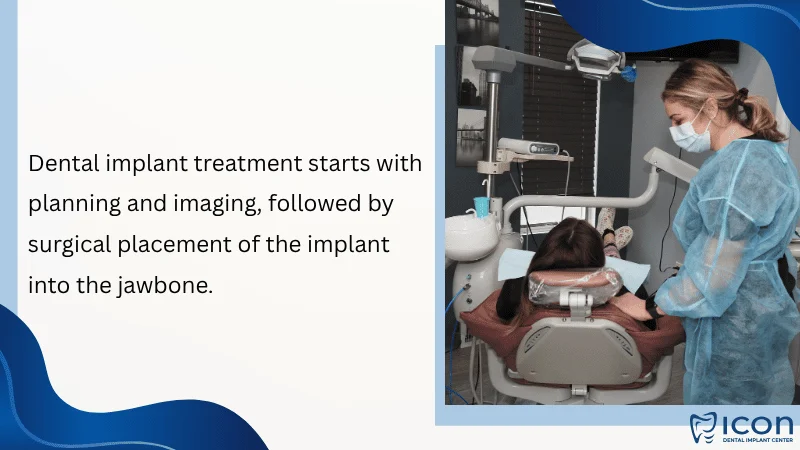
Your journey starts with a dental implant consultation where your dentist takes X-rays and 3D images of your jaw. During this visit, you’ll discuss your medical history and any medications you take.
Your dentist will create a treatment plan based on how many teeth you need to replace and the condition of your jawbone.
Several specialists may be involved in your planning process, including an oral surgeon, periodontist, or prosthodontist.
Before the implant surgery, you’ll choose your anesthesia option. Most people receive local anesthesia to numb the area, but sedation or general anesthesia is also available.
If you choose sedation, you’ll need someone to drive you home afterward.
The surgery is usually done as an outpatient procedure. Your surgeon makes a cut in your gum to expose the bone, then drills holes where the titanium post will go.
The Role of Bone Grafting and Jaw Preparation
Your jawbone needs to be thick and strong enough to support the implant. If your bone is too soft or thin, you’ll need a bone graft before moving forward.
A bone graft creates a more solid base for the implant since your mouth puts great pressure on the bone when you chew.
Your dentist can use natural bone from another part of your body, synthetic bone-substitute material, or bone from a donor source.
The transplanted bone needs several months to grow enough new bone to support an implant. Sometimes your dentist can do minor bone grafting during the same appointment as your implant placement.
The approach depends on your specific jawbone condition.
Osseointegration and Implant Stability
After your surgeon places the titanium post deep into your jawbone, osseointegration begins. This process is when your jawbone grows into and joins with the surface of the dental implant.
Osseointegration typically takes several months to complete. The process provides a solid base for your new artificial tooth, just like natural roots support your real teeth. You can’t rush this healing period.
Once osseointegration is complete, you’ll return for another procedure to attach the abutment. The abutment is the piece where your crown eventually connects.
Your gums need at least two weeks to heal around the abutment before your dentist can attach the final crown.
Longevity, Risks, and Success Factors
Dental implants typically last over a decade with proper care, but success depends on multiple factors including your daily habits and regular professional maintenance.
Understanding what affects implant longevity helps you protect your investment and keep your smile healthy for years to come.
How Long Do Dental Implants Last?
Most dental implants can last 10 to 30 years or even a lifetime with proper care. Studies show survival rates above 90% over a decade, making them one of the most durable tooth replacement options available.
The actual lifespan depends on several factors. Where the implant sits in your mouth matters because back teeth handle more chewing force than front teeth.
Your overall health plays a role too, as conditions like diabetes can affect healing and long-term success.
Implants with laser-microtextured grooves show lower peri-implantitis rates and better survival outcomes. The crown attached to your implant may need replacement before the implant itself, typically after 10 to 15 years of normal wear.
Implant-supported dentures follow similar timelines, though the denture portion might require adjustments or replacement while the implants remain stable.
Preventing Implant Failure
Smoking is the biggest risk factor you can control when it comes to implant failure. Tobacco reduces blood flow to your gums, which slows healing after surgery and weakens the bone around your implant over time.
Other factors that increase failure risk include:
- Uncontrolled diabetes that affects healing
- Teeth grinding that puts excess pressure on implants
- Poor bone density at the implant site
- Gum disease before or after implant placement
You can reduce these risks by quitting smoking before your procedure, managing chronic health conditions, and wearing a nightguard if you grind your teeth.
Choosing an experienced dental surgeon also improves your chances of success.
Oral Hygiene and Maintenance Habits
Your daily oral hygiene routine directly affects how long your implants last. Bacteria can still build up around implants just like natural teeth, leading to infection and bone loss.
Brush twice daily using a soft-bristled toothbrush, paying special attention to where the implant meets your gum line. Floss at least once per day, or use interdental brushes designed for implants if regular floss feels difficult.
Essential daily care includes:
- Brushing for two full minutes
- Cleaning around each implant carefully
- Using antimicrobial mouthwash if recommended
- Avoiding hard foods that could damage crowns
Gum health around your implants needs the same attention you’d give natural teeth. Red, swollen, or bleeding gums signal a problem that requires immediate dental attention.
Importance of Dental Check-Ups

Regular dental check-ups let your dentist catch problems before they cause implant failure. Professional cleanings remove hardened plaque that brushing alone can’t eliminate.
Most dentists recommend visits every six months, though you might need more frequent appointments during the first year after implant placement.
Your dentist will check the stability of your implant, examine gum health, and take X-rays to monitor bone levels.
These appointments also include professional cleaning around implant-supported dentures or crowns.
Your dental team can spot early signs of peri-implantitis, an infection similar to gum disease that threatens implant survival.
Missing dental check-ups increases your risk of undetected problems that could lead to implant loss.
Choosing the Right Time and Provider
Finding the right dental team and scheduling your consultation at the optimal moment can significantly affect your implant success and comfort throughout treatment.
Customized Treatment Planning
Your dental implant consultation should include a detailed assessment of your bone density, overall health, and specific goals for tooth replacement.
During this visit, your dentist will typically perform a CBCT scan to evaluate your jaw structure and determine if any preparatory work is needed.
The consultation gives you a chance to discuss your concerns openly. You can ask about healing time, temporary teeth options, and how your age might affect the procedure.
Your dentist should explain whether you’re a good candidate right now or if certain health conditions need to be addressed first.
A personalized treatment plan considers:
- Your current oral health and any active infections
- Bone volume and quality in the implant area
- Medical conditions that may affect healing
- Your lifestyle habits and commitment to aftercare
Dental Implants Near You: Why Expertise Counts
Searching for “dental implants near you” will likely bring up multiple providers, but not all offer the same level of experience. Your oral health, lifestyle, and long-term goals all play a role in determining which practice is the best fit.
Look for a practice where a prosthodontist and oral surgeon work together. This team approach ensures that both the surgical placement and the final restoration are carefully coordinated.
An on-site lab can also speed up adjustments and improve the fit of your final teeth.
Key factors when choosing a provider:
- Board certification and specialized training in implant dentistry
- Experience treating patients in your age group
- Clear communication about costs and payment options
- Positive patient reviews and before-and-after results
Don’t hesitate to schedule consultations with multiple practices. The right provider will answer your questions thoroughly and help you feel confident about moving forward with tooth replacement.
Frequently Asked Questions
Most people in their 30s through 60s qualify for dental implants based on health rather than age alone. The type of implant solution you choose depends on how many teeth you need replaced and your bone density.
Am I a good candidate for dental implants if I’m in my 30s, 40s, 50s, or 60s?
Yes, you’re likely a good candidate if you have healthy gums and enough jawbone to support the implants. Your age isn’t the deciding factor.
What matters most is your overall health and whether any medical conditions could affect healing. People with unmanaged diabetes, certain bone diseases, or heavy smoking habits may face challenges.
Your dentist will check your bone density and gum health during an evaluation. If you have bone loss, grafts can rebuild the area to support implants.
What factors matter more than age when deciding whether to get dental implants?
Bone density is one of the most important factors for implant success. Your jawbone needs enough strength and volume to hold the titanium posts securely.
Your overall health plays a bigger role than your birthday. Conditions that slow healing, like diabetes or autoimmune disorders, require careful management before treatment.
Oral hygiene habits affect long-term results. You need to commit to brushing, flossing, and regular dental visits to keep implants healthy.
Lifestyle choices like smoking can reduce success rates. Smoking slows healing and increases the risk of implant failure.
How long do dental implants typically last, and does that change as you get older?
Dental implants can last 25 years or longer with proper care. Many people keep their implants for life regardless of when they got them.
Age doesn’t directly shorten implant lifespan. The key is maintaining good oral health and attending regular check-ups.
Younger patients in their 30s and 40s often have peak bone density that supports the highest success rates. Older patients can achieve similar results with bone grafts if needed.
The crown attached to the implant may need replacement after 10 to 15 years. The implant post itself usually stays stable much longer.
What’s the difference between overdentures and dental implants?
Overdentures are removable dentures that snap onto dental implants for stability. Traditional dental implants are permanent replacements that don’t come out.
With overdentures, you typically need two to four implants in your jaw. The denture clicks into place on these posts but you can take it out for cleaning.
Permanent dental implants replace individual teeth or groups of teeth. Each implant gets topped with a crown or bridge that stays in your mouth.
Overdentures cost less than full sets of individual implants. They offer more stability than regular dentures but less than fixed implant solutions.
How do All-on-4 implants compare to implant-supported dentures for comfort and stability?
All-on-4 implants are a type of implant-supported denture that uses four strategically placed posts. This system stays permanently fixed in your mouth.
The All-on-4 approach provides excellent stability because the denture screws directly onto the implants. You can’t remove it yourself at home.
Implant-supported dentures can be either fixed or removable depending on the design. Removable versions snap on and off, while fixed ones stay in place like All-on-4.
All-on-4 typically feels more like natural teeth because it doesn’t move. Removable implant-supported dentures may shift slightly when eating tough foods.
What is the difference between a hybrid denture and an All-on-4 option?
A hybrid denture is a fixed prosthetic that attaches to multiple implants. All-on-4 is a specific type of hybrid denture that uses exactly four implants.
Hybrid dentures can use anywhere from four to eight implants per arch. All-on-4 always uses four posts placed at specific angles for maximum support.
Both options are permanent and screw into place. Your dentist removes them only during maintenance appointments.
The All-on-4 system often costs less because it needs fewer implants. Traditional hybrid dentures with more implants may provide additional stability for some patients.


