
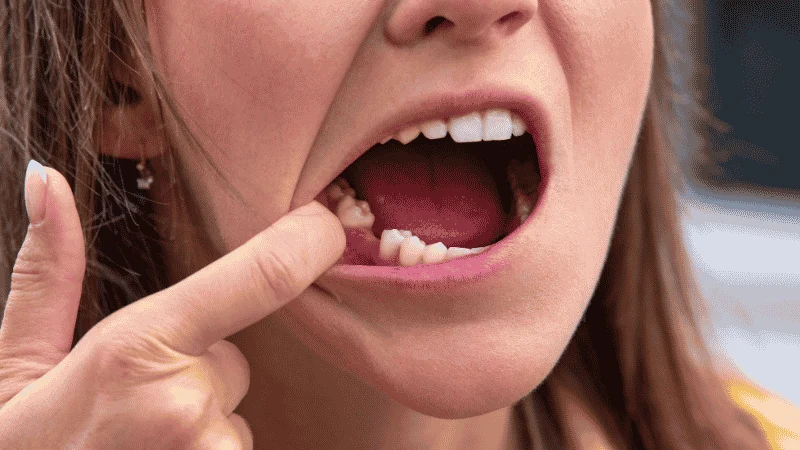
Losing a tooth might seem like just a cosmetic issue at first, especially if it’s toward the back of your mouth where no one can see it. But the reality is much more serious than most people realize.
When you leave a missing tooth untreated, your surrounding teeth shift out of place, your jawbone begins to deteriorate within months, and your bite becomes uneven, leading to problems that get worse and more expensive to fix over time.
The good news is that understanding what happens when a missing tooth is left untreated can help you make better decisions about your dental care.
Your mouth is a connected system where every tooth plays a role in keeping everything stable and functional.
When one tooth is gone, that balance breaks down in ways that affect your oral health, your appearance, and even your ability to eat and speak comfortably.
Whether you lost a tooth recently or years ago, knowing the timeline and consequences of tooth loss can help you take action before minor problems turn into major dental work.
Let’s look at exactly what happens in your mouth when a gap goes untreated for too long.
Key Takeaways
- Jawbone loss starts within months of tooth loss and can make future dental work more difficult and expensive
- Surrounding teeth shift into the gap and your bite changes, increasing your risk for cavities and gum disease
- Modern replacement options like dental implants can restore function and prevent further damage to your oral health
Learn about missing tooth untreated consequences and protect your smile
The Immediate and Progressive Effects of an Untreated Gap
When you lose a tooth, changes begin happening right away, even if you don’t notice them at first.
Your mouth starts adapting to the missing tooth within weeks, and these changes continue to worsen over months and years if left untreated.
Initial Healing and Misconceptions
After tooth loss, your gums heal over the empty socket within a few weeks. This healing process might make you think everything is fine, especially if there’s no pain.
Many people assume that because the area doesn’t hurt, there’s no urgency to replace the missing tooth. You might think the gap is only a cosmetic issue if it’s not visible when you smile.
But the absence of pain does not mean the absence of damage to your oral health.
Your jawbone actually needs stimulation from the tooth root during chewing to stay strong. Once a tooth is gone, that stimulation stops.
Within just a few months, your body begins reabsorbing the bone in that area because it’s no longer being used.
The Domino Effect on Surrounding Teeth
Your teeth are designed to work together as a team. Each tooth supports the ones next to it, keeping everything in proper position.
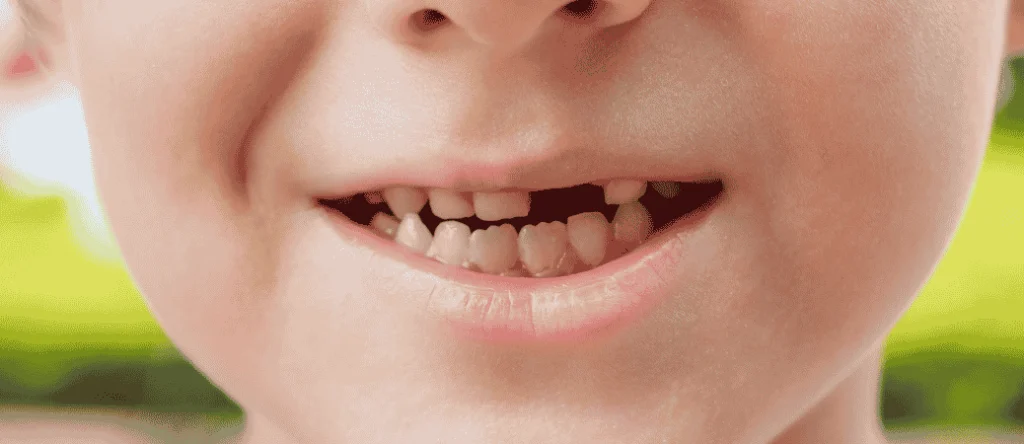
When one tooth is missing, your adjacent teeth start drifting toward the empty space. This movement happens gradually, so you might not notice it right away.
The shifting of nearby teeth creates gaps between other teeth that were previously tight together.
These new spaces trap food particles and make brushing and flossing harder. Plaque builds up in areas you can’t clean properly, which increases your risk of tooth decay and gum disease in teeth that were once healthy.
Problems with Bite Alignment and Shifting Teeth
As your teeth shift, your bite changes too. The teeth that used to line up perfectly when you close your mouth no longer meet correctly.
This misalignment affects your chewing efficiency because the remaining teeth take on extra pressure during meals.
You might notice jaw discomfort, headaches, or sensitivity in specific teeth. Some teeth may even develop cracks from the uneven force.
Bite changes also affect teeth in the opposite jaw. If you’re missing a lower tooth, the upper tooth above it can start growing down into the space because there’s nothing to bite against anymore.
Schedule your consultation in Southfield, MI to address a missing tooth before complications worsen
Bone Loss and Changes to Facial Structure
When you lose a tooth, the bone that once supported it begins to shrink within just a few months. This process affects not only your oral health but also the shape of your face and jawline over time.
The Role of Tooth Roots in Jawbone Health
Your tooth roots do more than hold teeth in place. Each time you chew, the roots transfer pressure into your jawbone, which signals your body to maintain bone density in that area. This natural stimulation keeps the bone strong and healthy.
When you lose a tooth, that stimulation disappears. Your body recognizes the root is gone and begins to redirect nutrients away from that part of your jaw.
The bone quality starts to decline because your body sees no reason to maintain bone tissue that isn’t being used.
This lack of stimulation affects more than just the immediate area. The surrounding bone structure weakens too, which can impact neighboring teeth.
Without proper root stimulation, your jaw gradually loses its ability to support future dental work like implants, which rely on osseointegration to fuse with healthy bone.
Bone Resorption and Jaw Deterioration
Bone resorption after tooth loss typically begins within the first three to six months. Your jawbone shrinks from the outside in, losing width first before it starts losing height.
This process slows down after the first year but never completely stops.
The deterioration follows a predictable pattern. Front teeth show changes faster because they’re more visible and handle different pressure than back teeth.
Molars near your sinus area face deeper structural shifts because they support heavier chewing forces.
You might notice your bite feels different or that dentures don’t fit like they used to. Adjacent teeth often shift into the gap, and you may experience jaw discomfort as your remaining teeth work harder to compensate.
These changes can make future restorations more complex and expensive if left untreated.
Facial Sagging and Aesthetic Concerns
Missing teeth gradually change how your face looks. As your jawbone shrinks, it no longer provides the same support for your facial muscles and skin. This leads to visible changes in your facial structure that can make you look older than you are.
Common signs of facial sagging include:
- Thinner lips with less support
- Sunken appearance around your mouth
- Changes to your jawline shape
- Deeper wrinkles near your mouth and chin
The bone loss affects your entire facial profile. Your face may appear shorter or more collapsed as the distance between your nose and chin decreases.
These changes can accelerate the loss of additional teeth and create a cycle of continued deterioration.
Acting quickly helps you prevent bone loss from progressing. Early intervention preserves your natural facial contours and makes tooth replacement options more successful.
Oral Hygiene, Gum Disease, and Other Health Risks
A missing tooth creates new challenges for maintaining oral hygiene, which can lead to gum disease and serious infections.
The gap left behind becomes a trap for food particles and bacteria, making your mouth more vulnerable to decay and inflammation.
Increased Risk of Gum Disease and Periodontal Issues
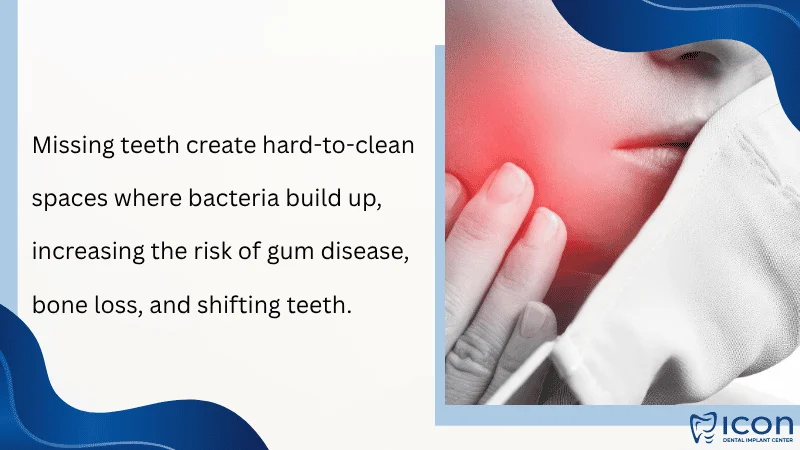
When you lose a tooth, the surrounding gum tissue becomes exposed and harder to clean properly. This exposure creates pockets where bacteria can gather and multiply without interference.
Periodontitis is a serious gum infection that damages the soft tissue around your teeth and can destroy the bone that supports them. Without treatment, you risk losing additional teeth beyond the one already missing.
The gap from your missing tooth makes it difficult to brush and floss effectively in that area. Food gets stuck in places your toothbrush can’t reach easily.
This creates the perfect environment for harmful bacteria to thrive and attack your gums.
Your risk increases because the teeth next to the gap often shift position over time. These movements create new tight spaces and angles that trap debris and plaque.
Plaque Accumulation and Tooth Decay
The empty space where your tooth used to be becomes a collection point for plaque and food particles. Your normal brushing routine doesn’t clean these areas as well as it did when all your teeth were present.
Plaque is a sticky film of bacteria that forms on your teeth throughout the day. When plaque builds up around the gap, it hardens into tartar that only a dentist can remove. Poor brushing and flossing habits allow plaque to build up on teeth and harden over time.
The teeth neighboring your missing tooth face increased decay risk because:
- They have exposed surfaces that collect more bacteria
- Food wedges between shifted teeth
- Cleaning becomes more difficult as teeth move
- Bite pressure changes how plaque forms
Impact on Gum Health and Inflammation
Your gums need stimulation from chewing to stay healthy. When a tooth is missing, the gum tissue in that area doesn’t get this regular stimulation and can start to deteriorate.
Gum inflammation often starts as redness and swelling around the gap. Gingivitis can occur within weeks of poor oral hygiene, while periodontitis develops over months to years if left untreated.
You might notice your gums bleeding when you brush near the empty space. This bleeding signals that bacteria have already started irritating the tissue.
The inflammation can spread to neighboring teeth if you don’t address it quickly.
Inflamed gums pull away from your teeth and create deeper pockets. These pockets fill with more bacteria and become infected, putting strain on your immune system.
Functional Problems: Chewing, Speaking, and Jaw Pain
A missing tooth affects more than just your smile. It creates real problems with eating, talking, and can lead to ongoing jaw discomfort that gets worse over time.

Chewing Changes and Efficiency Problems
When you lose a tooth, your chewing efficiency drops right away. You’ll naturally start favoring the other side of your mouth to avoid the gap.
This uneven chewing pattern puts extra pressure on your remaining teeth. They have to work harder to break down food, which wears them down faster than normal.
Common chewing problems include:
- Difficulty biting into hard or crunchy foods
- Trouble grinding food properly before swallowing
- Longer meal times as you work around the gap
- Avoiding certain foods you used to enjoy
The teeth near the gap start to shift over time. This movement makes your bite misalignment worse and reduces your chewing forces even more.
Digestive and Nutrition Concerns
Poor chewing efficiency means larger food pieces enter your stomach. Your digestive system has to work harder to break down food that should have been chewed more thoroughly.
Many people with missing teeth start avoiding healthy foods that are harder to chew. Fresh vegetables, fruits, and lean meats often get cut from the diet.
You might switch to softer, processed foods that are easier to eat. These options are often less nutritious and higher in calories and sugar.
Speech Difficulties from Tooth Loss
Missing teeth can change how you speak. Front teeth especially help you make certain sounds correctly.
Words with “s,” “th,” and “f” sounds become harder to pronounce clearly. You might notice a slight whistle or lisp when talking.
Some people feel self-conscious about the gap showing when they smile or speak. This can affect your confidence in social and work situations.
Jaw Pain, TMJ, and Bite Imbalance
A missing tooth creates bite imbalance across your entire jaw. Your temporomandibular joint has to adjust to this new, uneven pressure pattern.
The jaw muscles on one side work harder to compensate for the gap. This leads to muscle fatigue, tension, and jaw discomfort throughout the day.
TMJ disorders can develop when the jaw joints don’t work together properly. You might experience clicking, popping, or locking when you open your mouth.
Signs of TMJ problems include:
- Pain or tenderness in your jaw joint
- Aching around your ear
- Headaches that start near your temples
- Difficulty opening your mouth wide
Untreated TMJ disorder can escalate from jaw noises to chronic pain and permanent changes in jaw function.
The longer you wait to address the missing tooth, the more your jaw pain tends to increase in frequency and intensity.
Long-Term Consequences and Increasing Complexity
The longer you wait to replace a missing tooth, the more complicated your situation becomes.
Bone loss accelerates over time, nearby teeth shift further out of position, and the treatment you eventually need becomes more involved and expensive than it would have been initially.
Progressive Bone and Tooth Loss
Your jawbone starts breaking down within just a few months after losing a tooth. The bone can shrink by 25% in width during the first year alone.
This loss continues year after year because the bone no longer receives stimulation from a tooth root. After several years, the bone loss becomes severe enough to affect your facial structure and make your cheeks look sunken.
The long-term effects of missing teeth extend beyond just the empty space. Your teeth on either side of the gap tilt and drift into the open area.
This movement creates new spaces between other teeth where food gets trapped. The shifting gets worse the longer you wait, and it can eventually affect teeth throughout your entire mouth.
Greater Risk to Remaining Teeth and Opposing Tooth
When your adjacent teeth shift into the gap, they become harder to clean properly. Food and bacteria collect in the new spaces between tilted teeth, which increases your risk of cavities and gum disease.
Your opposing tooth also moves when it no longer has anything to bite against. This tooth erupts further out of the gum, creating bite problems that put uneven pressure on your remaining teeth.
The uneven forces cause some teeth to wear down faster than others. Your remaining teeth work harder to make up for the missing one, which can crack or damage otherwise healthy teeth over time.
The Cost and Impracticality of Delayed Treatment
Delaying treatment leads to more complex procedures that cost significantly more than early replacement. You might need bone grafting to rebuild lost jawbone before an implant can even be placed.
This adds months to your treatment timeline and thousands of dollars to your total cost. You may also need orthodontic work to move shifted teeth back into their proper positions.
Treatment complications from waiting:
- Bone grafting procedures before implant placement
- Orthodontic correction for shifted teeth
- Additional restorative treatment for damaged adjacent teeth
- More frequent dental check-ups to monitor ongoing problems
The procedures become less predictable when bone loss is severe. Your treatment options also become more limited the longer you wait to address the gap.
Tooth Replacement Options and Restoring Your Smile
Several proven solutions exist to replace missing teeth, each with distinct advantages based on your bone quality, budget, and treatment goals.
The right choice depends on factors like how long you’ve waited and the complexity of your specific case.
Dental Implants and Osseointegration
Dental implants are the most permanent tooth replacement option available today. A titanium post is surgically placed into your jawbone, where it fuses with the surrounding bone through a process called osseointegration.
This typically takes three to six months.
Once the titanium post integrates with your bone, a custom crown is attached to complete your new tooth. The result looks and functions like a natural tooth.
Dental implants after delay are still possible even if you’ve waited years. However, significant bone loss may require additional procedures like bone grafting first.
Your bone quality plays a major role in determining whether you need these extra steps before implant placement.
Many patients benefit from implants because they prevent further bone deterioration and don’t require altering adjacent teeth. An interdental brush helps you clean around the implant once it’s in place.
Dental Bridges and Partial Dentures
A dental bridge uses neighboring teeth as anchors to support a false tooth in the gap. Your dentist reshapes the adjacent teeth to hold the bridge in position.
Bridges work well when you have healthy teeth on both sides of the missing tooth.
Dentures are removable appliances that clip onto your remaining natural teeth. They restore function and appearance but don’t prevent bone loss the way implants do.
Both dental bridges and partial dentures cost less upfront than implants. However, they typically need replacement every 5 to 10 years.
These options work best if you’re not ready for surgery or if implants aren’t medically suitable for your situation.
Factors That Influence Treatment Timeline
Your treatment timeline depends on several key factors that your dentist will evaluate during a consultation. The location of your missing tooth matters because front teeth often require faster replacement for appearance and speech.
How long you’ve waited affects the complexity of treatment:
- 1-3 months: Minimal bone loss, straightforward placement
- 6-12 months: Moderate bone loss, possible grafting needed
- 2+ years: Advanced bone loss, additional procedures likely required
Your overall health, gum condition, and bone density all impact how quickly you can move forward with tooth replacement options. Some patients can receive same-day treatment, while others need several months of preparation to restore your smile successfully.
Frequently Asked Questions
Missing teeth create changes that happen slowly over time, affecting everything from jaw structure to daily functions like eating and speaking.
Here are answers to common questions about what happens when a gap is left untreated for months or years.
How can a missing tooth affect the teeth next to it over time?
The teeth on either side of the gap start to lose the support they once had. Without a neighboring tooth to keep them in place, they may gradually drift or tilt toward the empty space.
This movement happens because your teeth are not locked rigidly in your jaw. They can shift position when the forces holding them in balance change.
Adjacent teeth drifting into the gap can create new spaces between other teeth or cause crowding. The teeth may also become harder to clean properly, which increases your risk of decay and gum disease.
Can leaving a gap cause my other teeth to shift or become crooked?
Yes, leaving a gap can cause your other teeth to shift over time. The tooth that used to bite against the missing one may start to over-erupt, moving out of its normal position.
This happens because teeth naturally try to maintain contact with their opposing teeth. When that contact disappears, the tooth may gradually grow longer into the empty space.
These shifts can affect teeth beyond just the ones immediately next to the gap. Your entire bite pattern may change as teeth move to compensate for the missing tooth.
What problems can a long-term missing tooth create for my bite and jaw?
A missing tooth changes how your upper and lower teeth meet when you bite down. Changes in bite alignment make it harder for your teeth to come together evenly.
This uneven bite puts extra pressure on certain teeth. You might unconsciously start chewing more on one side of your mouth to avoid the gap.
Over time, this can strain your jaw joints and muscles. Some people experience jaw discomfort, clicking sounds, or even pain in the temporomandibular joint (TMJ).
Could an untreated missing tooth lead to bone loss in the jaw?
Yes, bone loss is one of the most significant effects of leaving a tooth untreated. Your tooth root normally stimulates the jawbone every time you chew or bite.
When the tooth is gone, that stimulation stops. Your body responds by slowly reabsorbing the bone in that area through a process called alveolar bone resorption.
Research shows that the most rapid bone loss typically happens within the first year after losing a tooth. However, bone loss can continue at a slower rate for many years afterward.
This bone loss can change the shape of your jaw and face. It may also make tooth replacement more difficult later if there isn’t enough bone to support an implant.
How might a missing tooth change my speech or the way I chew food?
Your teeth play an important role in forming certain sounds when you speak. Missing front teeth especially can affect how you pronounce words that require your tongue to touch your teeth.
You might notice a slight whistle or lisp when speaking. Some people adjust quickly, while others find the change more noticeable.
Chewing becomes less efficient when you lose a tooth, particularly a molar. You might find yourself avoiding certain foods that are harder to chew or cutting food into smaller pieces.
Many people unconsciously shift to eating softer foods. This dietary change can reduce the variety of nutrient-rich foods you eat over time.
What treatment options are available if I’ve had a missing tooth for a while?
Even if you’ve had a missing tooth for years, you still have options for replacement. The best choice depends on how much bone loss has occurred and the condition of your surrounding teeth.
Dental implants involve placing a titanium post into your jawbone to act as an artificial root. They help preserve bone and function like natural teeth, but they require adequate bone volume.
Dental bridges use the teeth on either side of the gap to support a replacement tooth. This option works well when the neighboring teeth are strong and healthy.
Partial dentures are removable appliances that replace one or more missing teeth. Modern dentures are designed to look natural and feel comfortable.
If significant bone loss has occurred, you might need bone grafting before getting an implant. A dental assessment can help determine which option works best for your specific situation.