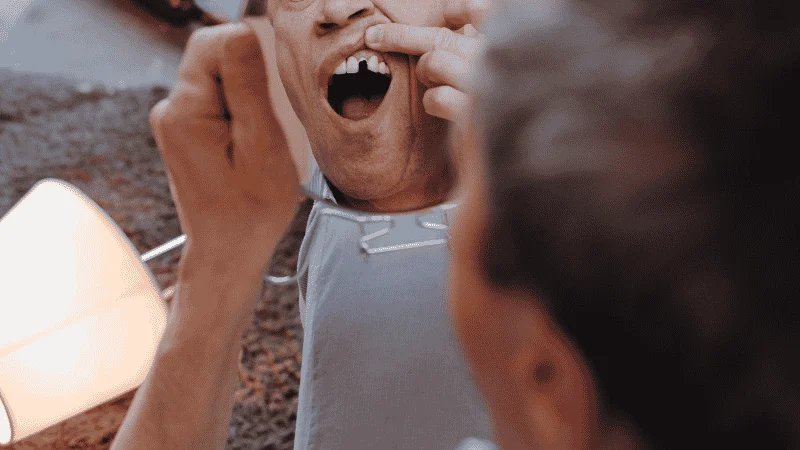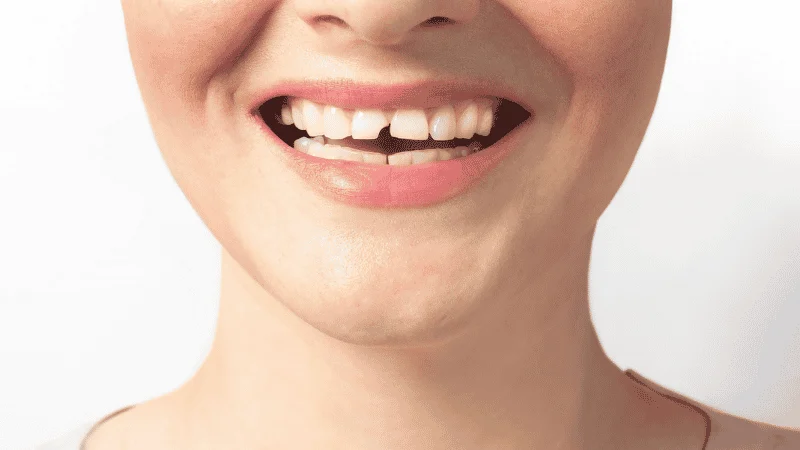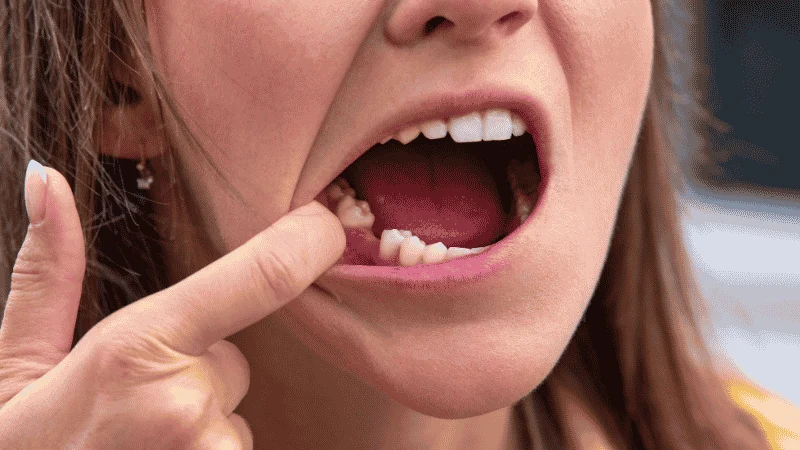
Most people develop wisdom teeth sometime between their late teens and mid-twenties. For some, they come in without any issues. For many others, there simply isn’t enough room in the jaw, and that’s when problems start.
Impacted wisdom teeth, teeth that are trapped beneath the gum line or growing at an angle, can cause pain, swelling, infection, and damage to neighboring teeth. Even wisdom teeth that partially break through the gum create pockets where bacteria collect, leading to recurring infections that don’t resolve on their own.
If your dentist or oral surgeon has recommended wisdom teeth removal, or if you’re experiencing symptoms and wondering whether it’s time, here’s what you need to know.
Signs Your Wisdom Teeth May Need to Come Out
Not every wisdom tooth needs to be removed. But certain signs suggest it’s time to have them evaluated:
- Pain or tenderness at the back of your jaw
- Swollen, red, or bleeding gums behind your last molars
- Jaw stiffness or difficulty opening your mouth fully
- Recurring infections or bad taste in the back of your mouth
- Crowding or shifting of your other teeth
Sometimes wisdom teeth cause no symptoms at all but are still positioned in a way that puts your oral health at risk. That’s why routine x-rays are important; they reveal what’s happening beneath the surface before symptoms develop.
What Happens During a Wisdom Tooth Extraction
The procedure depends on how your wisdom teeth are positioned. Teeth that have fully erupted through the gum can often be removed with a straightforward extraction. Impacted teeth, those still partially or fully trapped in bone, require a surgical approach.
At our Southfield, MI office, we use CBCT 3D imaging to get a complete view of your wisdom teeth, surrounding bone, and nearby nerves before any procedure begins. This detailed imaging allows us to plan the safest, most efficient approach for your specific anatomy.
During a surgical extraction, a small incision is made in the gum tissue, and in some cases a portion of bone around the tooth is removed to allow access. The tooth may be sectioned into smaller pieces for easier removal. The area is then cleaned and closed with sutures.
We offer sedation dentistry options to keep you comfortable throughout the procedure. Whether you need mild relaxation or deeper sedation, we’ll discuss your options beforehand so you feel at ease on the day of your appointment.
Recovery: What to Expect After Surgery
Most patients recover from wisdom teeth removal within a few days to a week. The first 48 hours are the most important for healing.
Here’s a general timeline:
Day 1 to 2: Swelling and mild discomfort are normal. Apply ice packs in 20-minute intervals. Stick to soft foods like yogurt, smoothies, mashed potatoes, and soup. Avoid using straws, as the suction can dislodge the blood clot that protects the extraction site.
Day 3 to 5: Swelling typically peaks around day 3, then gradually improves. Most patients begin feeling noticeably better. You can slowly introduce slightly firmer foods as comfort allows.
Day 7 and beyond: Most of the initial healing is complete. Sutures dissolve or are removed at a follow-up appointment. Full bone and tissue healing continues over the following weeks, but daily activity usually returns to normal within the first week.
We’ll provide you with detailed aftercare instructions and make sure you know exactly what to watch for during recovery.
Why Early Evaluation Matters
Wisdom teeth are easier to remove when patients are younger, typically in the late teens or early twenties. At this stage, the roots are not fully developed and the surrounding bone is less dense, which makes extraction simpler and recovery faster.
Waiting until problems develop often means dealing with infection, pain, or damage to adjacent teeth that could have been prevented. It can also mean a more complex procedure with a longer recovery.
Even if you’re not experiencing symptoms, a consultation and 3D scan can tell us exactly where your wisdom teeth are and whether they’re likely to cause issues down the road.
Wisdom Teeth Removal at Icon Dental Implant Center
Our team includes an oral surgeon with advanced training in surgical extractions, facial anatomy, and anesthesia. You’re not being referred somewhere else; your evaluation, imaging, procedure, and follow-up all happen in the same office.
We use CBCT 3D imaging and digital technology to plan every extraction with precision, and our sedation options ensure your comfort no matter how complex the case.