

A missing tooth might seem like a small problem, especially if it does not hurt or show when you smile.
But waiting too long to replace it can lead to bone loss, shifting teeth, and problems with your bite that get harder to fix over time.
Understanding what happens when you delay treatment can help you make a smart choice for your smile and your health.
When you lose a tooth, your mouth starts to change right away, even if you cannot feel it happening.
Your jawbone can begin to shrink, nearby teeth may drift out of place, and your bite can shift in ways that affect chewing and speaking.
These changes can also affect your gums and your overall dental health, making future treatment more complicated.
The good news is you have options, and acting sooner rather than later can save you time, money, and stress.
This guide walks you through the consequences of missing teeth and why timely planning matters for your long-term oral health.
Key Takeaways
- Waiting to replace a missing tooth can lead to changes in your jawbone, gums, and bite.
- The longer you delay treatment, the more it can affect your ability to chew, speak, and feel comfortable.
- Exploring replacement options early can help protect your remaining teeth and support better long-term dental health.
Table of Content
- Changes That Begin After Tooth Loss
- Jawbone Loss and Facial Support
- Effects on Chewing, Speech, and Jaw Comfort
- Long-Term Risks to Remaining Teeth and Gums
- Replacement Options and the Value of Timely Planning
- Frequently Asked Questions
Changes That Begin After Tooth Loss
When you lose a tooth, your mouth doesn’t just stay the same with a gap. Your gums start to heal, but nearby teeth and your bite can slowly begin to shift too.
Early Healing and Tooth Movement
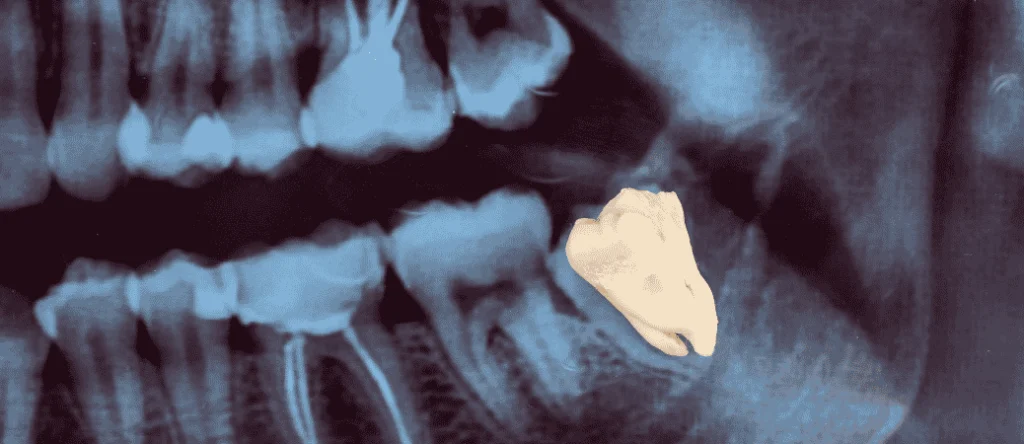
A dentist may recommend a tooth extraction when a tooth is too damaged or infected to be saved.
After removal, your gums start healing within the first week or two, but changes beneath the gums can continue as your jawbone adjusts.
Underneath the gum, your jawbone begins to change once the tooth root is gone. Tooth roots give the jawbone the stimulation it needs to stay strong. Without that pressure, the bone in that area can start to shrink.
This process, called bone resorption, doesn’t happen overnight. But it can begin within the first few months after tooth loss.
As the bone changes shape, it creates less support for the teeth around it. This sets the stage for tooth movement later on.
Why Neighboring and Opposing Teeth Shift
Your teeth aren’t just sitting in your jaw on their own. They lean on each other for support, kind of like books on a shelf.
When one tooth is missing, neighboring teeth no longer have that support on one side. Over time, they can start tilting into the empty space.
The tooth above or below the gap can shift too. Without another tooth to bite against, it may slowly move down or up into the open area. Dentists sometimes call this super-eruption.
Here’s how shifting teeth can show up over time:
- Neighboring teeth tilt sideways into the gap
- Opposing teeth drift up or down
- Surrounding teeth become crowded or crooked
- Small gaps form between other teeth as spacing changes
These changes usually happen gradually, but they can add up. In certain cases, a dentist may recommend space maintainers to help preserve the open space and prevent nearby teeth from shifting until a more permanent treatment is planned.
Bite Alignment Changes Over Time
As teeth shift, your bite alignment can change too. Your upper and lower teeth may no longer meet the way they used to.
This can lead to bite changes that affect how you chew. Some people notice they favor one side of their mouth without realizing it.
Misaligned teeth can also create uneven pressure when you bite down. Over time, this may add strain to your jaw joint and other teeth.
Bite problems don’t always cause pain right away. But they can affect oral function, including how well you chew food and how comfortable your jaw feels.
Left alone, these changes tend to build slowly rather than happen all at once.
Jawbone Loss and Facial Support
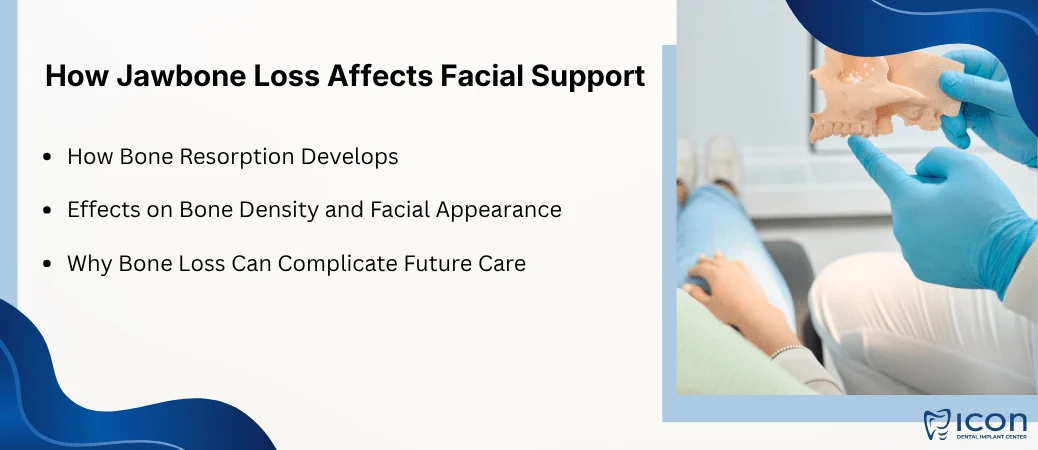
When you lose a tooth and don’t replace it, your jawbone starts to shrink in that spot. This can change your bone density and even affect how your face looks over time.
How Bone Resorption Develops
Your tooth roots do more than help you chew. Every time you bite down, the roots send pressure into your jawbone, and this pressure keeps the bone strong.
Once a tooth is gone, that signal stops. Your body reads this as a sign that the bone isn’t needed anymore, so it starts to break it down. This process is called bone resorption, and it can begin within just a few weeks.
This isn’t something you’ll notice right away. But bone loss after extraction speeds up the longer you wait, and it doesn’t slow down on its own.
Effects on Bone Density and Facial Appearance
The longer your tooth stays missing, the more bone density you lose in your jaw. In fact, research shows that you can lose up to 25% of your bone width in that area within the first year alone.
Your jawbone gives your face its shape and support. As the bone shrinks, you might notice:
- Sunken cheeks or a hollow look near the missing tooth
- Thinner lips that seem to lose their fullness
- Sagging skin around your mouth
- A shorter distance between your nose and chin
These facial changes tend to happen slowly, so you may not spot them at first. But over time, they can make your face look older than it should.
Why Bone Loss Can Complicate Future Care
If you decide to get a dental implant later, you’ll need enough healthy bone to hold it in place. Once bone loss becomes severe, your jaw may not have that support anymore.
This often means you’ll need a bone graft to rebuild the area before an implant can be placed. In some cases, especially with upper back teeth, you might also need a sinus lift to create enough space and bone height.
Both steps add extra time and cost to your treatment. Acting sooner helps you protect your bone health and may help you avoid these added procedures altogether.

Effects on Chewing, Speech, and Jaw Comfort
A missing tooth changes more than just how your smile looks. It can affect how you eat, how you talk, and how comfortable your jaw feels every day.
Difficulty Chewing and Nutrition
When you lose a tooth, your chewing function takes a hit right away. You might find yourself avoiding certain foods without even thinking about it.
Tough meats, crunchy vegetables, and chewy breads can become hard to manage. This is especially true if the gap is in the back of your mouth where your molars do most of the heavy lifting.
Over time, this can lead you to pick softer, less nutritious foods. You may end up skipping fresh produce or lean proteins because they feel like too much work to chew.
This shift can affect your overall nutrition and, in turn, your quality of life. Your body needs a variety of foods to stay healthy, and chewing difficulties can make that harder to achieve without you even realizing it.
Speech Changes From Missing Teeth
Your teeth play a bigger role in speech than most people realize. They help you form certain sounds, especially ones that need your tongue to touch the back of your front teeth.
If you’re missing a front tooth, you might notice a slight whistle or lisp when you talk. Missing back teeth can also change your speech patterns, since they help control airflow and tongue placement.
You may start speaking slower or avoiding certain words to work around the gap. Friends or family might notice a change in how you sound, even if you haven’t fully clocked it yourself.
These speech difficulties usually get more noticeable the longer a tooth stays missing, especially as surrounding teeth start to shift.
Uneven Bite Pressure and TMJ Symptoms
When a tooth goes missing, your bite doesn’t stay balanced. You’ll likely start favoring one side of your mouth to chew, without meaning to.
This uneven pressure puts extra strain on your jaw joint over time. That’s the same joint doctors call the temporomandibular joint, or TMJ for short.
Favoring one side can lead to jaw pain, soreness, or even clicking sounds when you open and close your mouth. Some people develop headaches that trace back to this kind of jaw discomfort.
Left unaddressed, these bite problems can make everyday activities like chewing or yawning uncomfortable.
Replacing missing teeth with options such as dental implants can help restore bite strength and provide more stable support for everyday chewing.
Long-Term Risks to Remaining Teeth and Gums
When you leave a gap in your smile for too long, the effects don’t stay in one spot. Your remaining teeth and gums start to feel the strain, and small problems can turn into bigger ones.

Hard-to-Clean Areas, Cavities, and Tooth Decay
A missing tooth changes the shape of your mouth, and that makes good oral hygiene harder to keep up.
Food particles get stuck in the new gaps between your teeth. Your toothbrush and floss may not reach these spots as easily as before.
This buildup creates the perfect setup for cavities. Bacteria feed on trapped food and produce acids that wear away enamel, leading to tooth decay.
Over time, teeth near the gap become more prone to decay because they’re doing extra work and picking up extra plaque.
A professional teeth cleaning and exam can help identify these hidden problem areas early, before they develop into more serious dental issues.
Gum Disease and Additional Tooth Loss
Empty spaces in your mouth aren’t just awkward to look at. They can trap food and bacteria, which may irritate your gums and make them harder to keep clean.
This buildup can cause gum inflammation, bleeding, and swelling, which may be early signs of periodontal disease. Left untreated, gum disease can damage the tissue and bone that support your teeth.
Weakened support around your teeth can increase the risk of additional tooth loss.
Professional periodontic services offered at Icon Dentals and Implant Center can help evaluate and treat gum problems, protect the supporting tissues, and reduce the risk of further damage.
Maintaining good brushing and flossing habits, along with regular dental visits, can also help protect your gums and remaining teeth.
When Orthodontic Treatment May Be Needed
As your surrounding teeth drift into the open space, they can become crowded, tilted, or misaligned teeth.
This shift doesn’t just look different. It changes how your teeth fit together, which can lead to uneven wear and jaw discomfort.
In many cases, correcting these shifted teeth requires orthodontic treatment like braces or clear aligners before you can even move forward with a replacement tooth.
This adds extra time, cost, and steps to your treatment plan. Acting early on a missing tooth can help you avoid this added complexity and keep your bite working the way it should.
Replacement Options and the Value of Timely Planning
You have several good choices for replacing a missing tooth, and the right one for you depends on your budget, your bone health, and how soon you want to fix the gap.
Acting quickly also gives you more options and can save you money down the road.
Dental Implants and Implant Timing
A dental implant is often the top choice because it looks and works like a real tooth.
The dental implant process involves placing a small titanium post into your jawbone, which then fuses with the bone through a process called osseointegration.
Once healed, your restorative dentist attaches an abutment and a crown on top.
Timing matters here. Immediate implants are placed right after a tooth is removed, while delayed implants wait until the gum and bone heal first.
Many dentists recommend deciding on implant placement within the first few months after losing a tooth.
Waiting longer can mean you need bone grafting before an implant will fit properly, which adds time and cost. Check with your dental insurance early, since coverage for implants varies a lot between plans.
Dental Bridges and Removable Partial Dentures
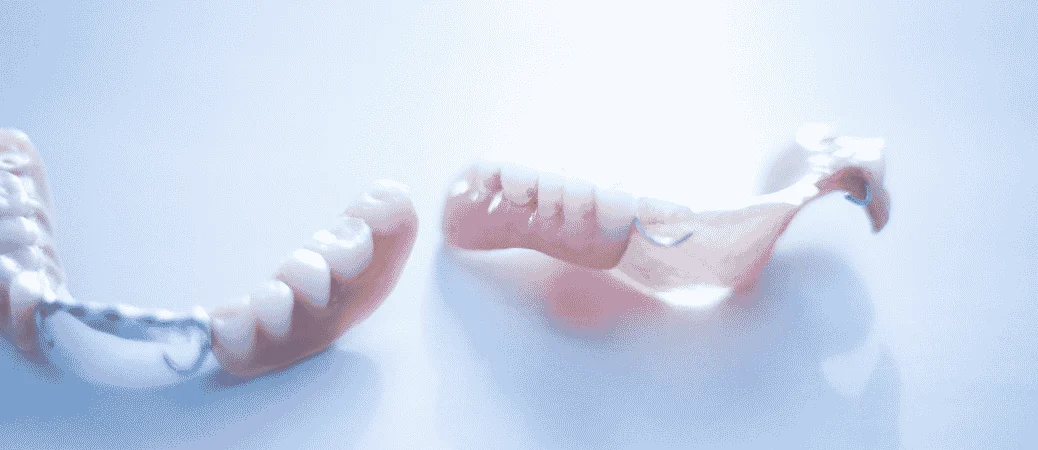
If an implant isn’t the right fit for you, your dentist will recommend a dental bridge as another solid option.
A dental bridge uses the teeth on either side of the gap to hold a false tooth in place, and it usually takes just two appointments to complete.
If you’re missing several or most of your teeth, same-day full and partial dentures can help restore your smile and everyday function.
A removable partial denture replaces multiple missing teeth while working alongside your remaining natural teeth, while full dentures replace an entire arch when most or all teeth are gone.
Each option has trade-offs. Bridges tend to last longer than partials, but they require healthy teeth nearby to anchor to.
Dentures cost less upfront but may need adjustments over time as your gums and jawbone change shape.
What Happens If You Have Already Waited
If it’s been months or years since you lost a tooth, don’t worry. You still have tooth replacement options available, even if your case is more complex now.
Waiting often means your jawbone has lost some width and height. In that case, your dentist may suggest bone grafting to rebuild enough support before placing an implant.
Shifted teeth might also need minor orthodontic work first, so the new tooth fits correctly.
The main thing to remember is that delay doesn’t close the door completely. It just means your treatment plan may take a bit longer and involve an extra step or two.
An experienced professional dentist can evaluate your specific situation and map out the safest path forward based on your oral health and treatment needs.
Frequently Asked Questions
Here are quick answers to common questions about waiting on a tooth replacement. These cover timing, bone health, shifting teeth, and what you can do in the meantime.
How long can you safely go without replacing a missing tooth?
There’s no strict deadline that fits everyone. But dentists agree that waiting longer makes treatment more complicated, since bone loss can start within just a few weeks of losing a tooth.
The sooner you act, the more likely you are to avoid extra steps like bone grafting. Every mouth is different, so your dentist can give you a better idea based on your specific situation.
Is it okay to leave a missing tooth untreated?
No, it’s not a good idea to ignore a missing tooth. Leaving the gap alone can cause real problems over time, even if it doesn’t hurt or bother you right now.
Your mouth doesn’t just stay the same after a tooth is gone. Changes happen quietly, and by the time you notice them, they may already be harder to fix.
What changes can happen if you wait too long for a dental implant?
Waiting too long can lead to a mix of problems. This includes bone loss, shifting teeth, and bite issues, which can all make future treatment harder.
Your bite may feel different as teeth move out of place. You might also notice more strain on your jaw when you chew.
Can nearby teeth shift into the gap left by a missing tooth?
Yes, this happens more often than people expect. Teeth next to the gap can tilt or drift into the empty space over time.
Even the tooth above or below the gap can move, since it no longer has anything to bite against. This shifting can throw off your whole bite pattern, not just the area where the tooth used to be.
Will delaying tooth replacement cause bone loss in the jaw?
Yes, bone loss is one of the biggest risks of waiting. Studies show your jawbone can lose up to 25% of its width in just the first year after a tooth is lost.
This happens because your jawbone needs pressure from chewing to stay strong. Once that pressure stops, your body starts to break down the bone in that area.
What temporary options can cover a missing tooth while you wait for treatment?
If you’re not ready for a permanent solution, there are short-term options. A removable flipper or a temporary partial denture can fill the gap and help you avoid some of the problems that come with delaying treatment.
These options won’t stop bone loss on their own, but they can help protect your smile and bite in the short term.
Contact your dentist about which temporary option makes the most sense for your situation while you plan your next steps.