

A toothache that will not go away can be a sign of a bigger problem. A tooth extraction is often necessary when a tooth has severe decay, infection, or damage that cannot be fixed with a filling or crown.
Knowing the signs that point to tooth extraction can help you protect your smile and avoid bigger problems later.
Your mouth often gives you warning signs before things get worse. Swelling, pain when you bite down, or a tooth that feels loose are all clues that something is wrong.
Paying attention to these signs early can help you and your dentist decide if tooth removal is the safest choice for your oral health.
Not every damaged tooth needs to come out right away. Dentist suggest that a root canal or other dental procedure can save it.
This post will walk you through the signs when tooth extraction is necessary, common reasons teeth need to be removed, and what you can expect if extraction is the best path forward for you.
Key Takeaways
- Certain warning signs, like pain, swelling, or a bad taste, mean you should see a dentist quickly.
- Extraction becomes necessary when a tooth has damage, infection, or crowding that cannot be reversed.
- Recovery is usually simple when you follow your dentist’s aftercare steps closely.
Table of Content
- Warning Signs That Need Prompt Dental Care
- Dental Problems That May Require Removal
- Wisdom Teeth and Orthodontic Reasons
- Saving the Tooth Versus Choosing Extraction
- What to Expect During Treatment and Recovery
- Frequently Asked Questions
Warning Signs That Need Prompt Dental Care
Some dental problems can wait for a regular checkup. Others need care right away. Here are the main signs that mean you should call a dentist soon.
Persistent or Severe Tooth Pain
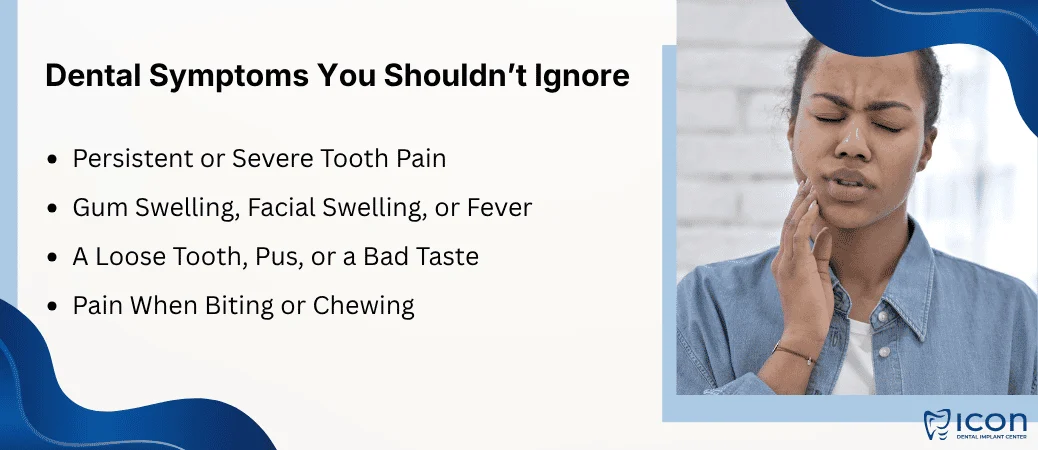
If your tooth hurts and the pain won’t go away, this is a sign you should not ignore. Mild tooth pain that comes and goes may not be urgent.
But severe tooth pain that lasts for days often points to a deeper problem, like decay or infection.
Pain relief from over-the-counter medicine may help for a short time. If the pain keeps coming back or gets worse, this is your body telling you something is wrong.
You should search for a dentist near you and get checked out as soon as you can.
Gum Swelling, Facial Swelling, or Fever
Swelling in your gums or face is often a sign of infection. This can happen when a tooth infection spreads to the tissue around it.
A dental infection that causes facial swelling should be treated fast because it can spread to other parts of your body.
If you also have a fever along with swelling, this is a sign your body is fighting an infection. This combo of symptoms means you need to see a dentist right away, not wait for your next scheduled visit.
Fever with dental pain can point to a more serious infection that needs quick treatment.
A Loose Tooth, Pus, or a Bad Taste
A loose tooth in an adult is not normal and should be checked right away. Unlike baby teeth, adult loose teeth often mean there is bone loss or gum disease happening underneath.
Pus coming from your gums is a clear sign of infection. You may also notice a bad taste in your mouth that won’t go away, even after brushing. This often happens when an abscess forms near the tooth root.
These signs together mean you should not wait. Search for tooth extraction near me or call your dentist to find out if the tooth can be saved or needs to come out.
Pain When Biting or Chewing
Pain that happens only when you bite down or chew can point to a crack, cavity, or infection in the tooth. This kind of pain may not hurt all the time, but it shows up when you put pressure on the tooth.
This type of pain often means there is damage below the surface that you can’t see. Waiting too long can turn a small problem into a bigger one that may need extraction.
If chewing causes pain on one side of your mouth, get it looked at soon.
Dental Problems That May Require Removal
Several common dental issues can lead to a tooth extraction, from deep decay to serious infections and gum disease.
Knowing these problems can help you understand why your dentist may recommend removing a tooth instead of trying to save it.
Severe Decay and Cavities Beyond Repair
Tooth decay starts small, but it can grow if you don’t treat it early. Cavities eat away at the outer layer of your tooth, and if left alone, they can reach the inner parts of your tooth.
When severe tooth decay destroys too much of your tooth structure, a filling or crown may not be enough to fix it. Your dentist checks how much healthy tooth is left before deciding on treatment.
If there isn’t enough tooth left to support a repair, extraction becomes the safer choice. This stops the decay from spreading to nearby teeth or your gums, according to signs that indicate you may need an extraction.
Infection That Cannot Be Saved With Root Canal Treatment
A dental infection happens when bacteria reach the soft inner part of your tooth, called the pulp. Root canal treatment often clears this infection and saves your tooth.
But sometimes a tooth infection spreads too far for a root canal to work. If the infection has damaged the tooth’s roots or surrounding bone, your dentist may recommend removal instead.
Leaving an infected tooth in place can let the infection spread to other areas of your mouth or body.
Extraction removes the source of infection, which helps protect your overall health, based on medical reasons that may require tooth removal.
Cracked, Broken, or Fractured Teeth
A cracked tooth, broken tooth, or fractured tooth can happen from an injury, biting something hard, or normal wear over time. Small cracks can sometimes be fixed with a crown or bonding.
However, a damaged tooth with a deep crack that reaches below the gum line is much harder to repair. These fractures can also lead to pain or infection if bacteria get inside the crack.
Your dentist will check the location and depth of the damage before choosing treatment. If the tooth can’t support a repair, extraction protects the health of the teeth and gums nearby.
Advanced Gum Disease and Bone Loss
Gum disease starts as mild irritation but can turn into advanced gum disease if untreated. This can cause your gums to pull away from your teeth, leading to bone loss around the tooth roots.
Bleeding gums are often one of the first warning signs of gum disease. Over time, the loss of bone support can make teeth loose or wobbly.
When a tooth loses too much support, it may not be possible to save it, even with deep cleaning or gum treatment.
Wisdom Teeth and Orthodontic Reasons
Wisdom teeth, also called third molars, can cause pain, crowding, and other problems if they don’t have enough room to grow in properly.
Your dentist may also recommend removing them to protect the results of braces or other orthodontic treatment.
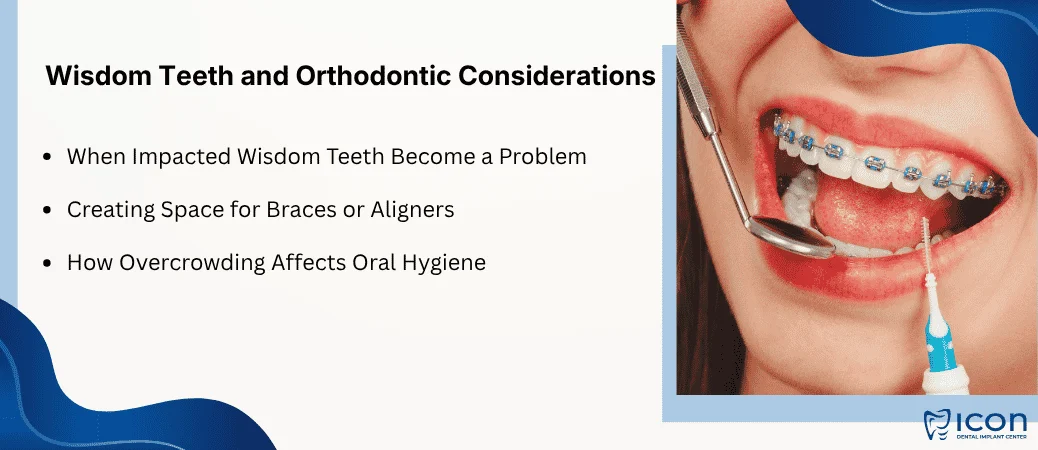
When Impacted Wisdom Teeth Become a Problem
Your dentist may recommend wisdom teeth removal when there isn’t enough space in your jaw for them to come in the right way. They might stay trapped under your gums, or they might only partly break through.
This can lead to swelling, pain, and infection. You may need extraction if you notice pain, repeated infections, cysts, or damage to nearby teeth.
Impacted teeth can also press against the roots of your other molars. Over time, this pressure can cause damage that’s hard to fix.
Catching this early can save you from bigger dental problems down the road.
If your dentist spots an impacted wisdom tooth on an X-ray, don’t ignore it, even if it doesn’t hurt yet.
Creating Space for Braces or Aligners
If you’re getting braces or aligners, your orthodontist may want your wisdom teeth removed first. This is because wisdom teeth can push against your other teeth as they try to grow in.
That pressure can shift your teeth out of place, even after your braces come off. Removing wisdom teeth as part of your orthodontic preparation gives your other teeth more room to settle into their new positions.
Your orthodontist and dentist will usually work together to figure out the best time for this.
In many cases, taking wisdom teeth out during your teenage years or early twenties makes recovery easier, since your jawbone is still softer and the tooth roots aren’t fully formed yet.
How Overcrowding Affects Oral Hygiene
Overcrowded teeth make it harder to brush and floss properly. When your teeth are too close together, food and plaque can get trapped in spots your toothbrush can’t reach.
This raises your risk of cavities and gum disease. Wisdom teeth are often the main cause of this kind of crowding, since they push against teeth that are already in place.
Removing wisdom teeth can make daily cleaning easier and lower your chances of future decay. If you notice your teeth feel more crowded or harder to clean than before, ask your dentist if your wisdom teeth might be the cause.
Saving the Tooth Versus Choosing Extraction
Not every damaged or infected tooth needs to come out. Your dentist will look at several factors before deciding if a filling, crown, or root canal can save your tooth, or if extraction is your best option.
When Fillings, Crowns, or Root Canal Treatment May Help
A simple filling can fix a small cavity before it turns into a bigger problem. If decay or a crack goes deeper, a crown might give your tooth the strength it needs to work normally again.
When the infection reaches the soft inner part of your tooth, root canal treatment is often the next step. This procedure removes the infected tissue and seals your tooth so it can stay in your mouth.
Root canal treatment has a good track record for saving teeth that would otherwise need to be pulled. It’s often less painful than people expect, especially compared to living with an untreated dental infection.
How Dentists Assess Whether a Tooth Is Restorable
Your professional dentist checks several things to see if your tooth can be saved. Here’s what they typically look at:
- How much healthy tooth is left: If too much structure is gone, a filling or crown won’t have enough to hold onto.
- Bone support: Your tooth needs enough bone around its root to stay stable long-term.
- Crack location: A crack that reaches below the gum line usually means the tooth can’t be saved.
- Infection severity: Some infections respond well to root canal treatment, while others have already caused too much damage.
Dentists weigh these factors, along with crown-to-root ratio and mobility, to decide the safest path for your oral health.
Risks of Delaying Needed Treatment
Putting off treatment doesn’t make a problem go away. It usually makes things worse and can turn a simple fix into a more complicated one.
An untreated dental infection can spread to nearby teeth, your gums, or even your jawbone. This raises your risk of needing tooth removal later, when a root canal might have worked earlier.
Waiting can also increase tooth extraction pain, since infections tend to cause more swelling and discomfort the longer they’re left alone.
If you notice ongoing pain, swelling, or sensitivity, don’t wait it out. Seek emergency dentistry services to get it checked quickly.
What to Expect During Treatment and Recovery
Your dentist may recommend tooth extraction as the best method for your tooth. Then they will guide you through healing so you can get back to normal fast.
Simple and Surgical Extraction Options
There are two main types of extractions. A simple extraction works for teeth you can see above the gum line.
Your dentist loosens the tooth with a tool and lifts it out. This method is quick and often takes just a few minutes. A surgical extraction is for teeth that are broken or stuck below the gum. This includes impacted wisdom teeth.
Your dentist may need to cut the gum tissue or remove some bone. This method takes more time and often needs a specialist.
Local Anesthesia and Comfort During the Procedure

You’ll have sedation before your extraction starts. This numbs the area around your tooth so you won’t feel sharp pain.
You may feel some pressure during the procedure. This is normal, and it does not mean the numbing has worn off.
If you feel anxious, ask your dentist about sedation dentistry options. Many offices offer nitrous oxide or oral sedatives to help you relax.
Tooth extraction pain is usually mild after the anesthesia wears off. Most people manage it well with over-the-counter pain relievers.
Post-Extraction Care and Dry Socket Prevention
Your extraction site needs a blood clot to heal properly. This clot protects the bone and nerves underneath.
Follow these post-extraction care steps for the first 24 hours:
- Bite on gauze for 30 to 45 minutes to slow bleeding
- Avoid rinsing, spitting, or using straws
- Skip smoking and alcohol
- Eat soft foods like yogurt or soup
- Apply a cold pack to reduce swelling
A dry socket happens when the blood clot comes loose too soon. This can cause sharp pain that spreads to your ear or jaw.
Call your dentist right away if you notice this pain a few days after your extraction.
Replacing a Missing Tooth With Dental Implants
Once your gum heals, you may want to fill the gap left behind. Dental implants are a strong option many patients choose.
A small titanium post gets placed in your jawbone. It acts like a new tooth root and holds a crown on top.
Implants look and feel like natural teeth. They also help keep your jawbone strong over time.
Talk to your dentist about timing. Some people need to wait for the bone to heal before getting an implant, while others may qualify for one on the same day.
Frequently Asked Questions
Here are quick answers to common questions about tooth pain, infections, and when removing a tooth might be your best option.
What signs suggest that a tooth may need to be extracted?
You might need a tooth pulled if you have constant pain, a tooth that’s very loose, or a large crack that goes below the gum line.
Swelling, a bad taste in your mouth, or a tooth that’s turned dark can also be warning signs.
Sometimes there are no obvious symptoms at all. Your dentist may spot problems like advanced gum disease or a failed root canal on an X-ray before you feel anything, which is one reason regular checkups help catch issues early.
How damaged does a tooth have to be before it cannot be saved?
A tooth usually needs to come out when the damage goes past the point where a filling, crown, or root canal can fix it.
This often happens when a crack extends deep into the root or when decay has destroyed most of the tooth’s structure.
Your dentist will check things like how much healthy tooth is left and whether the roots are stable. In many cases, minor fractures can be treated while more serious breaks may require extraction.
Can a severely infected tooth be treated instead of removed?
Sometimes, yes. A root canal can clear out infected tissue and save the tooth if the infection hasn’t spread too far.
But if the infection has damaged the bone around the tooth or kept coming back after treatment, extraction may be the safer choice.
Waiting too long on a bad infection can let it spread to other teeth or even into your jaw or bloodstream.
What happens if you leave a tooth that needs to be pulled untreated?
Ignoring a tooth that needs to come out can lead to bigger problems. The infection or damage can spread to nearby teeth, gums, or bone.
You might also deal with ongoing pain, swelling, or even a fever if an infection gets worse. In some cases, waiting too long can turn a simple extraction into a more complicated procedure.
When is a broken or cracked tooth likely to require extraction?
A broken tooth often needs to be pulled if the crack runs down into the root or below the gum line. This type of break is hard to repair because there isn’t enough healthy tooth left to support a crown.
Cracks that split the tooth into two pieces are also usually treated with extraction.
If you’re dealing with tooth pain or crowding along with a crack, it’s worth getting checked, since some structural issues make a tooth impossible to save.
How can I know whether tooth pain is serious enough to see a dentist right away?
Sharp pain that doesn’t go away, swelling in your face or gums, or pain when you bite down are all signs you shouldn’t wait. A fever along with tooth pain is another sign that you need care right away.
If over-the-counter pain relievers aren’t helping or the pain is getting worse instead of better, call your dentist. Getting checked quickly can help you avoid more serious complications down the road.